
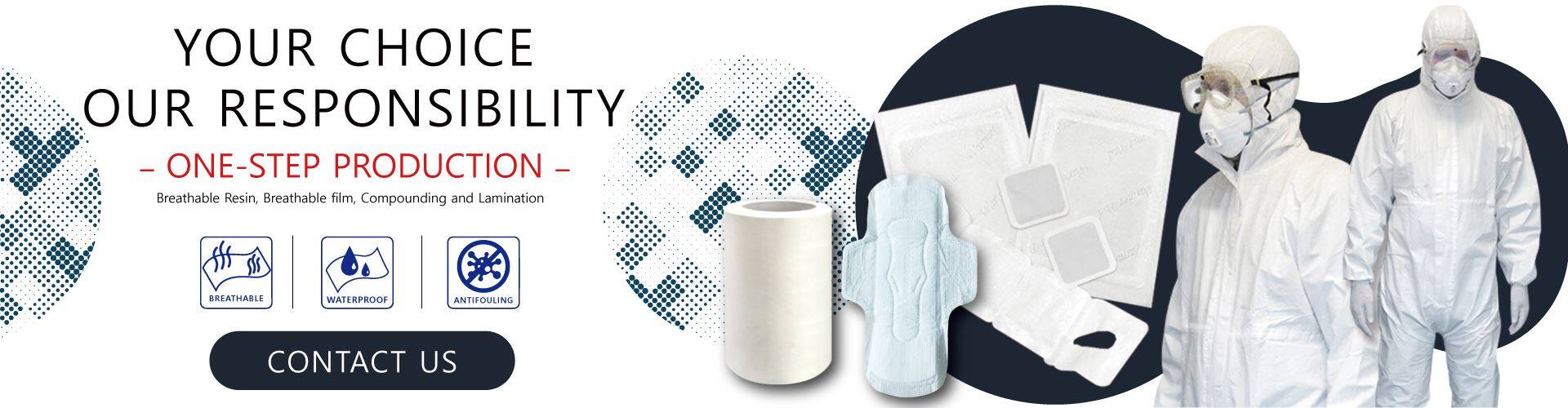
Disposable Coverall
Why Choose Us
Competitive Price
We have a professional purchasing team and costing team, trying to reduce costs and profits, and provide you with a good price.
Production Equipment
We have devoted amount of resource for maintain and keep our equipment in the best state for our customers.
Professional Team
Our self-developed additives based on our professional chemical knowledge, such as wet indicator ink, coating glue, antistatic additives, etc., can provide professional advice to customers facing chemical problems.
Product tTracking System
With a complete traceability system, once the batch number is obtained, the entire production process and raw materials can be traced
What is Disposable Coverall
Disposable coveralls are an item of personal protective equipment (PPE) designed to cover the whole body and other clothing to protect against dirt or other outside contaminants. Coveralls are one piece and loose fitting for ease of movement, with sleeves, full leggings and often a hood to cover the head. These can also include overshoe pieces to cover footwear and protect against contamination.
-
![Personal Protective Equipment]()
Personal Protective Equipment
-
![Medical Disposable Protective Suits]()
Medical Disposable Protective Suits
-
![Protective Clothing PPE]()
Protective Clothing PPE
-
![CE Certification Coverall]()
CE Certification Coverall
-
![Medical Disposable Coverall]()
Medical Disposable Coverall
-
![Disposable Coverall White]()
Disposable Coverall White
-
![One Time Use Coveralls]()
One Time Use Coveralls
-
![Coverall Disposable Suit]()
Coverall Disposable Suit
-
![Protective Disposable Suit]()
Protective Disposable Suit
-
![Disposable Work Suits]()
Disposable Work Suits
-
![Non Woven Coverall Disposable]()
Non Woven Coverall Disposable
-
![White Protective Suits]()
White Protective Suits


Benefits of Disposable Coverall
Protection from Hazards
Disposable coveralls offer full-body protection from a range of hazards, including chemicals, infectious agents, and other contaminants. They are designed to be worn once and then discarded, ensuring that the wearer is always protected from potential hazards. Unlike reusable coveralls, disposable coveralls do not require cleaning, which can help to reduce the risk of exposure to hazardous materials.
Prevent Cross-Contamination
One of the key benefits of disposable coveralls is that they prevent cross-contamination. In industries where workers are exposed to hazardous materials or infectious agents, it is essential to prevent cross-contamination to ensure the safety of all workers. Disposable coveralls are designed to be worn once and then discarded, ensuring that there is no risk of cross-contamination.
Lightweight and Breathable
Disposable coveralls are lightweight and breathable, making them an ideal choice for all-day wear. Unlike traditional PPE, such as heavy-duty overalls or hazmat suits, disposable coveralls are designed to be comfortable to wear, allowing workers to move freely and carry out their tasks without restriction.
What are the Applications of Disposable Coverall
Disinfection work
In the process of industrial and agricultural production, disinfection work is often faced. During the disinfection process, disinfection personnel cannot do without the protection of microporous coveralls.
Rescue work
Medical staff must take necessary safety protection measures when entering the epidemic area, so as to ensure that their own safety is not violated and the rescue work can proceed smoothly.
Exploration work
When entering an emergency immediately, especially in locations involving toxic substances, you are required to wear protective coverall clothing and equipment with the highest level of protection. Because the characteristics and toxicity of toxic substances are completely unknown at this time, the threat may be greatest.
Types of Disposable Coverall
Basic Coveralls
Basic coveralls are the most commonly used type of disposable coveralls. They are designed to provide basic protection from hazards and are ideal for use in industries such as construction, manufacturing, and agriculture.
Chemical-Resistant Coveralls
Chemical-resistant coveralls are designed to provide protection from hazardous chemicals and other materials. They are typically made from materials such as polypropylene, polyethylene, which is resistant to a range of chemicals.


Medical Coveralls
Medical coveralls are designed to provide protection from infectious agents and other contaminants. They are typically used in healthcare settings, such as hospitals or clinics, and are made from materials that are resistant to fluids and other contaminants.
Spray Coveralls
Spray coveralls are designed to provide protection from liquid or spray ink. They are typically used in industries such as manufacturer of ink, car sprayer or etc, where workers are exposed to prevent a liquid.
Disposable Coveralls: The Different Types of Fabric Materials Used
PP-the most common type of fabric used for disposable coverall
PP is the most common type of fabric used for disposable coveralls. It is strong, durable, and able to protect you from dirt, dust, and other debris. It is also affordable and easy to find.However, PP is not as breathable as some of the other fabrics on this list, so it may not be the best choice if you are working in a hot environment.
SMS-a less common but still widely used type of fabric
SMS is a less common but still widely used type of fabric for disposable coveralls. It is made of a blend of polypropylene and polyethylene, which makes it strong, durable, and able to protect you from dirt, dust, and other debris.It is also affordable and easy to find. SMS is more breathable than PP, so it may be a better choice for hot environments.
PP+PE-another less common type of fabric
PP+PE is another less common type of fabric for disposable coveralls. It is made of a blend of polypropylene and polyethylene, which makes it strong, durable, and able to protect you from dirt, dust, and other debris.PP+PE is more breathable than PP and SMS, so it may be the best choice for hot environments. It is also more expensive than other types of fabric on this list. It is widely used in DuPont.
Microporous-a more durable and expensive type of fabric
Microporous is a more durable and expensive type of fabric for disposable coveralls. It is made of a synthetic fiber that allows air and moisture to pass through it.This makes it more breathable than other types of fabric on this list, making it a good choice for hot environments. It is also more expensive than other types of fabric on this list.
Cotton-a natural fiber that is sometimes used in disposable coveralls
Cotton is a natural fiber that is sometimes used in disposable coveralls. It is soft, comfortable, and breathable. However, cotton can absorb moisture and can be difficult to clean if it becomes stained or dirty. Cotton is also more expensive than other types of fabric on this list.
How to Choose Disposable Coverall
Material Selection
- Choosing the appropriate material is crucial as different work environments and risks require different protective properties.
- Consider properties such as liquid penetration resistance, antistatic performance, and chemical permeation resistance to ensure that the coveralls effectively block potential hazards from infiltrating.
Size and Fit
- Selecting the right size of coveralls is critical, as sizes that are too large or too small may impact both protection and comfort.
- Ensure that the coveralls provide adequate coverage while allowing for sufficient range of motion to ensure freedom and comfort for the wearer.
Durability and Longevity
- Considering the durability and longevity of the coveralls is essential, especially in prolonged or high-risk work environments.
- Check the manufacturing quality of the coveralls, including seam strength, stretch performance, and abrasion resistance, to ensure they can withstand daily use and potential physical damage.
Disposable Coverall Features
Disposable coveralls are so versatile; they can be used in different applications where workers have exposed to extreme situations every day. General maintenance workers in some industries such as landscaping, steel mills, construction, engineering, and painters can get benefits of these suits in different situations without having a concern about some situations. Handling and paint spraying workers can get benefits of these full-body coverage suits as well.
The more companies switch their focus toward sustainable practice and their efforts to lower waste, the use of recycled garments provide you with a valuable opportunity to reuse materials as protective suits. Although this protective garment is an ideal choice for single-use applications, this garment is recycled and reused the retain their safety qualities while reducing waste. The materials will ensure that they are strong enough to protect from harsh elements.
Disposable coveralls are available in different styles, giving options about the number of protection workers who need specific jobs. For example, clothing components such as boots and hoods to give complete protection, reducing the risk of injury and contamination without lowering the overall quality of disposable coveralls for painting.
Although permanent coveralls can last longer, the cost is higher rather than recycled or disposable protective suits. Since these clothes can be recycled and purchased in a bulk at a lower price, these repackaged and recondition protective suits are more affordable for any industry worker. So, you can buy disposable coveralls for painting at a lower price.
- EN 14605:2005 + A1:2009 - Protective clothing against liquid chemicals - Performance requirements for clothing with liquid-tight (Type 3) or spray-tight (Type 4) connections, including items providing protection to parts of the body only (Types PB [3] and PB [4]):
- This standard specifies the performance requirements for protective clothing worn by individuals exposed to liquid chemicals. It covers clothing with liquid-tight (Type 3) or spray-tight (Type 4) connections, including partial body protection garments.
- EN 13982-1:2004 + A1:2010 - Protective clothing for use against solid particulates - Part 1: Performance requirements for chemical protective clothing providing protection to the full body against airborne solid particulates (type 5 clothing):
- This standard outlines the performance requirements for protective clothing designed to shield against solid particulates. It specifies criteria for garments providing full-body protection against airborne solid particles, categorized as Type 5 clothing.
- EN 13034:2005 + A1:2009 - Protective clothing against liquid chemicals - Performance requirements for clothing that provides limited protection against liquid chemicals (Type 6 and Type PB [6] equipment):
- EN 13034 standardizes the performance requirements for protective clothing offering limited protection against liquid chemicals. It covers Type 6 clothing, which offers protection against light spray and splashes, as well as Type PB [6] equipment, providing partial body protection against liquid chemicals.
- EN ISO 13982-2:2004 - Protective clothing for use against solid particulates - Part 2: Test method of determination of inward leakage of aerosols of fine particles into suits:
- This standard specifies the test method for assessing the inward leakage of aerosols of fine particles into protective suits. It provides a means to evaluate the effectiveness of the garment in preventing particles from penetrating through to the wearer's skin.

Process of Disposable Coverall
Raw materials used in disposable coverall production
The first step in creating disposable coveralls is selecting the right raw materials. The materials used in the production of these coveralls must be lightweight, breathable, and durable. The most commonly used materials for disposable coveralls are non-woven fabrics made from polypropylene. These fabrics are spunbonded to create a durable and breathable material that can protect the wearer from hazardous materials.
Design and pattern-making for disposable coveralls
Design and pattern-making are critical components of the manufacturing process. The design must be functional and comfortable for the wearer while providing adequate protection. The pattern is created using specialized computer software that takes into account the size and shape of the wearer. The pattern is then printed onto paper and used to cut the fabric.
Cutting and sewing the coveralls
The next step in the manufacturing process is sewing the coveralls. The sewing process is done using specialized machines that can quickly stitch the fabric together. The machines are programmed to sew the fabric together in specific patterns, ensuring that the coveralls are sewn correctly every time.
Quality control and testing
Quality control is an essential component of disposable coverall production. The coveralls must meet specific quality standards to ensure that they provide the necessary protection to the wearer. To ensure quality, the coveralls are tested for strength, breathability, and resistance to hazardous materials.
Sterilization and packaging
Once the coveralls have been tested and approved, they are ready for sterilization and packaging. Sterilization is necessary to ensure that the coveralls are free from any harmful bacteria or viruses. The coveralls are sterilized using specialized equipment that kills any bacteria or viruses present on the fabric.
Distribution and sales
The final step in the process is distribution and sales. The coveralls are transported to distributors who sell them to end-users. The distributors must ensure that the coveralls are stored and transported correctly to maintain their quality.
Tips for Using Disposable Coveralls

Check the seams
Most cleanroom garments will have an all-seam construction, which means that the entire outside of the garment has seams. Some of these seams may be taped, which means that they will be sealed. If you're working with sensitive materials, it's important that you look for garments made with taped seams. This helps to ensure that the materials won't come loose in the event of a tear. If you're working in a high-contamination area, it's important to check the seams closely. Make sure that the thread used to stitch the seams is strong enough to withstand daily wear and tear. Be sure to check for loose threads and snags that could become a bigger problem later on.

Choose the right size
The most important thing when it comes to choosing the right size is that you feel comfortable in the garment. When you're purchasing a coverall, always try it on before buying it. It's important to remember that you may feel warmer or cooler depending on the conditions around you. You may also notice that there is some sweating involved. When you enter a cleanroom, the garments will trap in the excess heat and moisture, so it's important to try on the coveralls before you get there. If you're in a room that is kept at a lower temperature, you may find that you feel cooler than normal. The size of the garment will also affect how it fits. If you're working in a room where you're required to wear two layers, you may notice that it feels a bit more snug. The important thing is that you feel comfortable in the garment, regardless of whether you're wearing a single layer or two.

Wash and dry the coveralls correctly
When you're trying to clean and dry your coveralls the right way, you should make sure to follow a few key guidelines. You can clean disposable coveralls in the washing machine, but it's important to follow the manufacturer's instructions. It's also important to do a few things to keep the garment from fading or getting stained by the bleach. First, you should use water that is warm, but not hot. Second, you should use mild detergent like Woolite and add bleach only if the garment is extremely soiled. Make sure to add bleach to the last rinse cycle so that it does not stain the garment. Most labs will require that you use liquid bleach because it dissolves more quickly. When you are drying the coveralls, you should hang them outside to dry. This is because sun-bleaching can actually make the garment stronger and more resistant to staining.
Some General Precautions For Using Disposable Coverall
Look For Possible Damage In The Coveralls
Every time you take off your coverall after completing a day at the office, you need to be sure it is not damaged. Even the slightest of damages can cause a severe injury if you deal with chemicals, hot water, or other dangerous materials.
Ensure Your Coverall Is Clean
Your coverall and other protective equipment must be clean and tidy every time you go to put it on. A cleaner coverall is a safer coverall. A dirty coverall could catch dangerous chemicals and other elements that are harmful to your health. If you put on your coverall without cleaning it, the poisonous and toxic chemicals that you worked with previously may still be there that were spilled on it yesterday. It is, therefore, imperative to clean your coverall every day before using it.
Using Disposable Coveralls If Possible
If possible, using disposable coveralls is the best option. It minimizes the chances of contamination and exposure of your skin to harmful chemicals. You don't need to clean it, keep it, or look for damage before using it again. You only need to be careful while disposing of the coverall after use. You must ensure you dispose of your coverall safely and properly.
Regularly Wash Your Cotton Coveralls
If you are using cotton coveralls or any alike fabric, you need to wash and clean it regularly. You need to be habitual of wearing washed and cleaned coveralls to stay protected from the harmful remains of the chemicals and other materials you are dealing with.
Don't Take Your Coverall Home For Washing
You must leave both your office work and your coverall in the office. Your coverall is contaminated, and you must not bring it home to wash it with your household clothes. The proper way to wash your coverall is in the office, or taking it to a specialist laundromat. This way, not only do you protect yourself and your family but other people as well.
Use A Clean, Separate Cupboard For Coveralls
Keeping your coverall or other protective equipment in a cleaner cupboard is always the best thing to do. Ideally, it must be separate to avoid mixing with your other clothes and items. This will help keep your coverall cleaner as well as other things in your cupboard safe from it.
Our Factory
Kae Hwa is a breathable membrane manufacturing company located in Taiwan. The main products are diversified applications such as breathable resins, breathable film, and breathable composite fabrics. With more than 60 years of profound chemical background and understanding of market trends, the company continuously invests in new facilities and upgrades existing equipment to meet market demands. Our skilled R&D team combines professional knowledge with innovative thinking to drive technological progress. We work closely with our production teams to develop state-of-the-art manufacturing techniques, ensuring that each product meets world-class quality standards.
In order to serve the needs of customers in different countries, we produce in factories in Taiwan and Malaysia, providing a variety of high-quality waterproof and breathable products for customers to use, such as baby or adult diapers, sanitary napkins, nursing pads and other waterproof and breathable back layers, Type 4B /5B/6B industrial protective clothing, AAMI Level 4 medical protective clothing, isolation clothing, agricultural waterproof and breathable cover cloth, waterproof and breathable raincoat, desiccant packaging materials, warm bag packaging materials, etc.


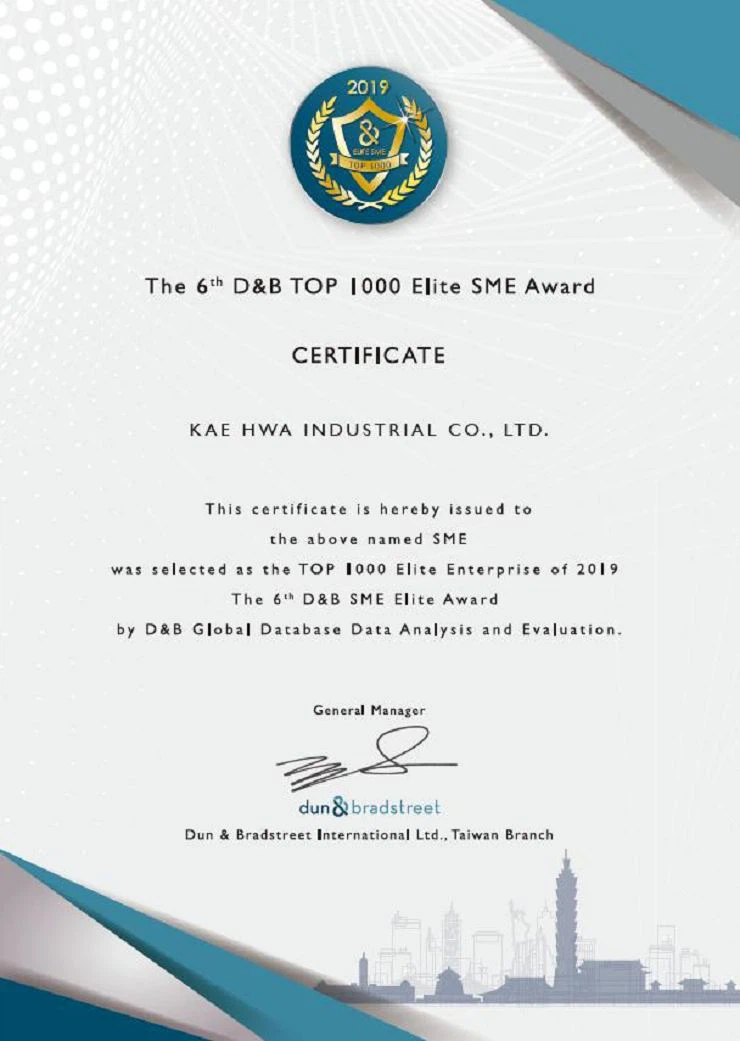
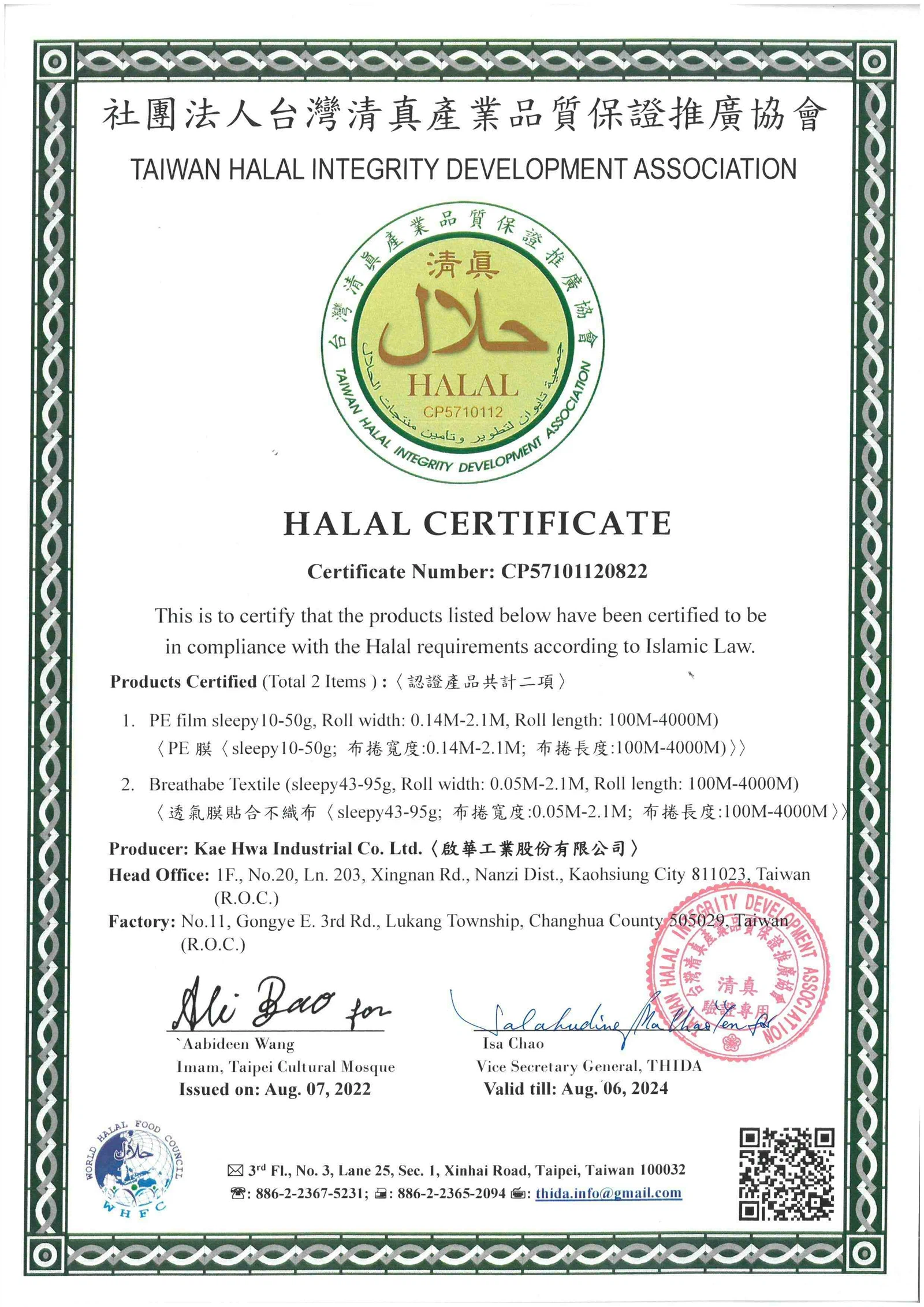
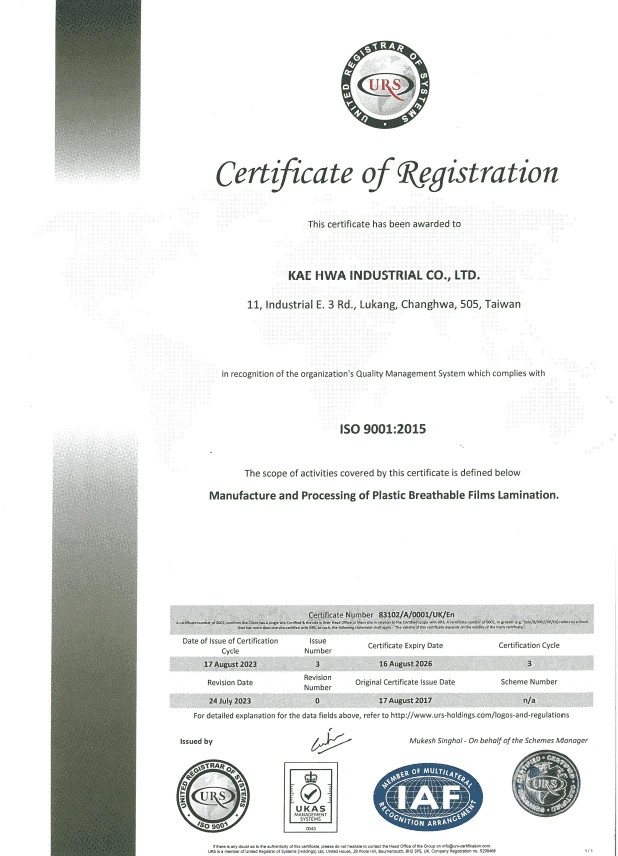
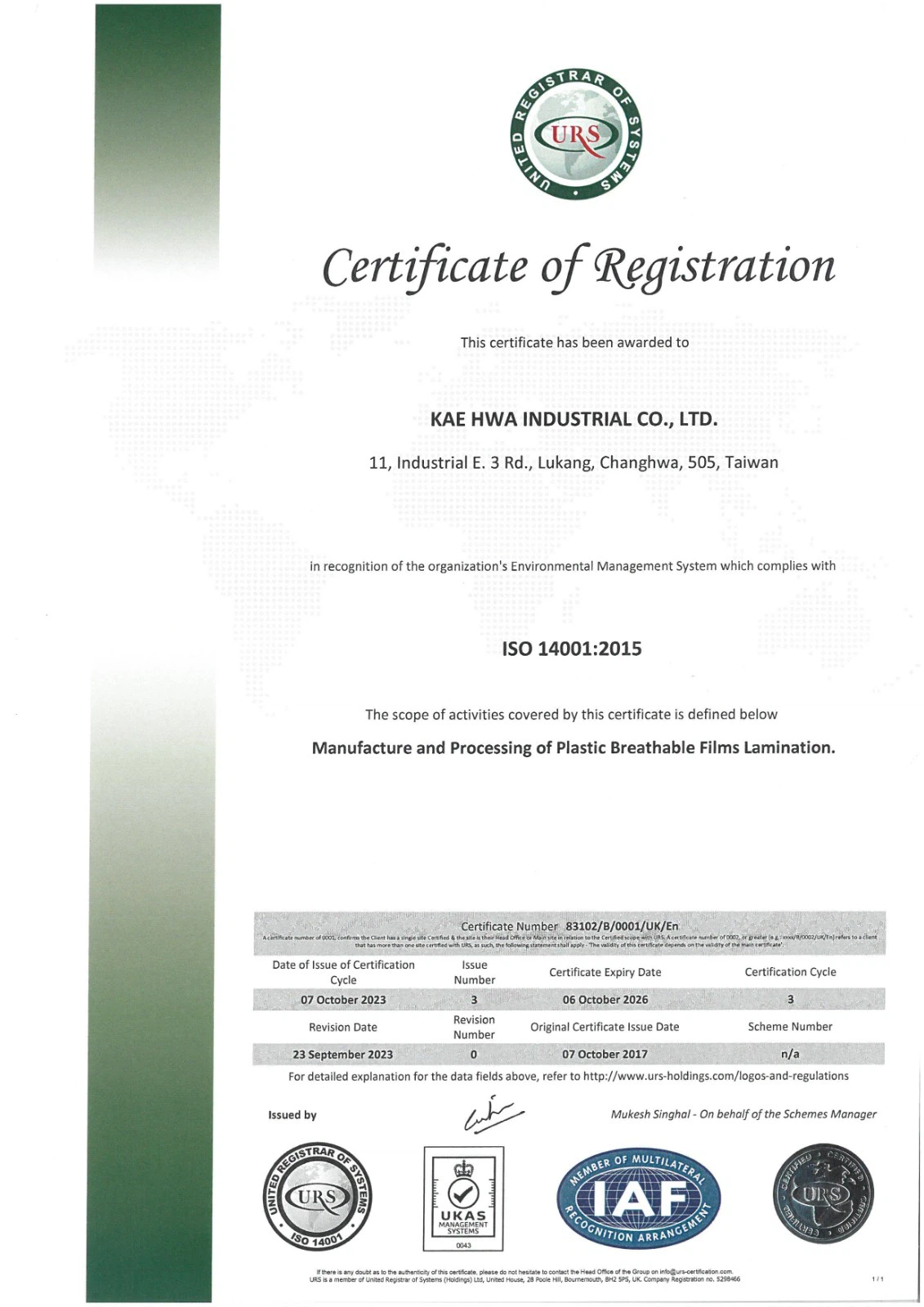
Our Certificate
FAQ
Q: Can you reuse disposable coveralls?
Q: What are disposable overalls used for?
Q: What do coveralls protect you from?
Q: Can you wash disposable coveralls?
Cleaning can be done by simple brushing of any dry soiling and washing with warm water and a mild detergent. However, disposable garments are not designed to be subjected to any type of automatic washing (or drying) and any such process is likely to damage the garment.
Q: What is an SMS overall and how is it different to spunbond fabric?
Q: Can I use my disposable protective overalls several times?
Q: What should be done with disposable equipment after use?
Q: How does coverall work?
Q: What are coveralls good for?
Q: Are coveralls a type of PPE?
Q: What are the pros and cons of coveralls?
Q: Why are safety coveralls important?
Q: How often should I wash coveralls?
Q: Why is it important not to reuse disposable equipment?
Q: Does PPE have to be disposable?
Q: Why should we replace disposable items with reusable items?
Q: How do you determine coverall size?
Q: Why do workers wear coveralls?
Q: How do you put on coveralls?
Q: What is the difference between coverall and overalls?