
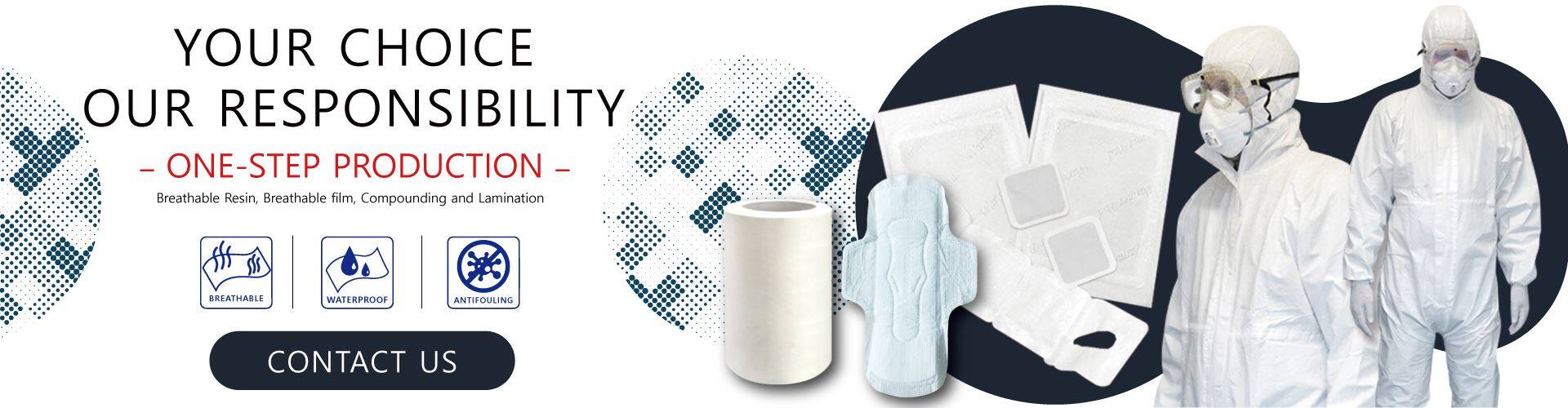
Microporous Film
The color and the characteristics of our film could made the adjustment for meet the demand of our customers.
Why Choose Us
Competitive Price
We have a professional purchasing team and costing team, trying to reduce costs and profits, and provide you with a good price.
Production Equipment
We have devoted amount of resource for maintain and keep our equipment in the best state for our customers.
Professional Team
Our self-developed additives based on our professional chemical knowledge, such as wet indicator ink, coating glue, antistatic additives, etc., can provide professional advice to customers facing chemical problems.
Product Tracking System
With a complete tracking system, once the batch number is obtained, the entire production process and raw materials can be tracking.
What is Microporous Film
Microporous film refers to a type of material that contains small pores or holes, typically on the scale of micrometers (one millionth of a meter) in size. These pores allow for the passage of certain substances, such as gases or moisture, while blocking others. Microporous films are used in various industries and applications, including: medical, industrial, hygiene, construction, agricultural, consumer, outdoor and etc...
-
![Polyethylene Film]()
Polyethylene Film
-
![Microporous Polyethylene Film]()
Microporous Polyethylene Film
-
![Printing Polyethylene Film]()
Printing Polyethylene Film
-
![Breathable PE Membrane]()
Breathable PE Membrane
-
![Environmentally Friendly PE Film]()
Environmentally Friendly PE Film
-
![Plastic Breathable PE Film]()
Plastic Breathable PE Film
-
![Microporous Flexible Membrane]()
Microporous Flexible Membrane
-
![Microporous Plastic Film]()
Microporous Plastic Film
-
![Microporous PE Breathable Film]()
Microporous PE Breathable Film
-
![Microporous PE Film]()
Microporous PE Film
-
![Polyethylene Breathable Film]()
Polyethylene Breathable Film
-
![Microporous Film Laminated Coverall Fabric]()
Microporous Film Laminated Coverall Fabric


Benefits of Microporous Film
Breathability
Microporous films allow for the passage of air and moisture vapor while maintaining a barrier against liquids and contaminants. This breathability is beneficial in applications such as wound dressings and outdoor apparel, where comfort and moisture management are important.
Waterproofness
Despite their breathable nature, microporous films can provide excellent waterproofing properties. They repel water while allowing moisture vapor to escape, making them ideal for use in waterproof fabrics for outdoor gear and medical products where protection from liquids is essential.
Comfort
The breathability of microporous films enhances comfort in various applications by allowing airflow and moisture transfer. This feature is particularly advantageous in textiles, where it helps regulate body temperature and prevents the buildup of sweat.
Versatility
Microporous films can be engineered with different pore sizes, thicknesses, and compositions to suit a wide range of applications. This versatility allows for customization based on specific performance requirements, whether it's in medical, industrial, hygiene, construction, agricultural, consumer, outdoor and etc...
Contamination Control
In medical and industrial settings, microporous films act as effective barriers against bacteria, dust, and other contaminants while still permitting the exchange of gases. This helps maintain a sterile environment in medical dressings, cleanrooms, and filtration systems.
Eco-Friendliness
Some microporous films are manufactured using environmentally friendly materials and processes, making them sustainable alternatives to traditional plastics. Additionally, their breathability and waterproof properties can contribute to the longevity and reusability of products, reducing overall waste generation.
What are the Applications of Microporous Film
Packaging
Microporous film is widely used in the packaging industry for wrapping food items, consumer goods, and industrial products.
Agriculture
In agriculture, Microporous film is employed as mulch film and greenhouse covers to improve crop yield and protect plants.
Industrial protective
It can use in industrial protective clothing fabric such as chemicals, pharmaceuticals, biotechnology, cleaning, and sanitation.
Medical
Microporous film is used in the healthcare sector for medical packaging and disposable medical equipment.
Types of Microporous Film
Polyethylene breathable films are commonly used breathable materials with good breathability and flexibility. They can be utilized in various applications such as medical supplies, packaging materials, and industrial filtration. PE breathable films are typically made from High-Density Polyethylene (HDPE) or Low-Density Polyethylene (LDPE), each with different levels of breathability and physical properties.
Polypropylene breathable films are another common type of breathable material known for their excellent chemical stability and heat resistance. They are often used in food packaging, medical supplies, and industrial applications. PP breathable films typically exhibit higher mechanical strength and abrasion resistance, suitable for applications requiring enhanced durability.
Thermoplastic Polyester Elastomer breathable films are emerging breathable materials with outstanding elasticity and breathability. They are widely used in sportswear, outdoor gear, and medical materials, providing comfortable wearing experiences and excellent breathability. TPEE breathable films are often considered environmentally friendly materials with good sustainability.
The choice of these breathable films depends on specific application requirements such as breathability, durability, and chemical stability.
Properties of Microporous Film
Breathability
One of the primary properties of microporous film is its breathability. This means it allows gases such as oxygen and water vapor to pass through while blocking the penetration of liquids and solid particles. This feature makes microporous film very useful in various applications, including medical, packaging, and textiles.
Waterproofness
Despite having good breathability, microporous film also needs to possess a certain degree of waterproofness to prevent liquid penetration. This characteristic makes microporous film an ideal choice for many outdoor products and protective clothing, such as tents and raincoats.
Flexibility
Microporous film typically needs to have a certain level of flexibility to adapt to different application scenarios and shapes. Flexible microporous films are easier to handle and process during manufacturing and are more suitable for application on curved or irregular surfaces.
Chemical Stability
Due to potential exposure to various environments and chemicals, the chemical stability of microporous film is crucial. High-quality microporous film should be able to resist corrosion, chemicals, and UV radiation to ensure long-term stability and performance.
Pore Size
The pore size of microporous film is one of the key factors determining its performance. The choice of pore size depends on the specific requirements of the application, for example, pores that are too small may restrict breathability, while those that are too large may affect its barrier properties.
Process of Microporous Film

Mixing and Heating
Mix the selected materials and additives to ensure homogeneous blending. Then, convey the mixed materials to the heating zone to reach the appropriate melting temperature. During heating, continue stirring to maintain uniformity.

Extrusion Molding
Transport the melted materials from the heating zone to the T-die extrusion mold. In the T-die mold, the materials are subjected to high pressure and temperature to form a continuous film. By adjusting the T-die's opening and temperature, the thickness and width of the film can be controlled.
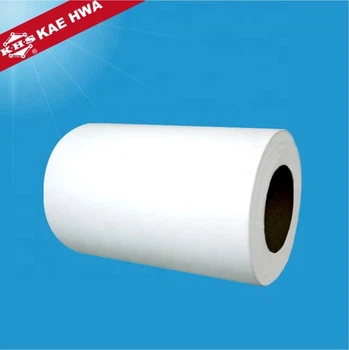
Cooling and Solidification
Once the film exits the T-die mold, it enters the cooling zone to rapidly decrease temperature. This helps solidify the film and ensure it maintains the desired shape and structure. During cooling, the film's properties can be adjusted by regulating cooling rate and temperature.

Cutting and Winding
Once the film is fully solidified, it undergoes cutting by a cutting machine to trim it into the required size and shape. Then, the film is wound onto a winding machine for subsequent processing and packaging. Care must be taken during winding to prevent film curling or stretching.
Advantages of Using Microporous Film
Customizable Properties
Microporous films can be tailored to meet specific requirements by adjusting parameters such as pore size, thickness, and permeability. This versatility allows for their use in a wide range of applications, from filtration systems to electronics, where precise control over material properties is necessary.
Comfort and Flexibility
Due to their thin and flexible nature, microporous films offer comfort and ease of use in various applications. They can conform to the contours of the body in medical dressings or provide flexibility in clothing and textiles, enhancing user comfort and mobility.
Adaptable
Microporous film can be designed according to the application. PE is marketed in different colours, transparencies and thicknesses. It can give a better look to the products and maintain them in the best way.
Chemical Resistance
Many microporous films exhibit excellent chemical resistance, making them suitable for use in harsh environments where exposure to chemicals or solvents is common. This property extends their lifespan and ensures reliable performance in demanding applications such as industrial filtration and chemical processing.
Cheap price
The processing and production of high-density polyethylene is fast and cheap. Matte plastic for consumer products such as shampoo bottles, body lotions, detergents and HDPE plastic pots.
High strength
The structure of Microporous films is strong and resistant to moisture. This strength is more visible in producing water bottles, bottle caps, liquid and vegetable oil bottles, and milk cartons.
Factors That Influence the Price of Microporous Film
Film Type
Each film is made from the same raw material and is therefore suitable for a specific industry. Different plastic films are used for a specific industry according to raw materials, flexibility, etc. The type of film affects its lifespan and durability.
Thickness
Another critical feature is thickness. Microporous can be produced in very thin thicknesses to thick sheets, so determine the application before purchasing to decide on the appropriate film thickness. The thickness has a direct relationship with the strength of the product.
Additive
Polyethylene is a chemical substance, and depending on the type of industry, a wide range of additives are added. The film used for food and beverage packaging must have a different structure than the film of plastic bags or other industries.
Colour
Microporous film is produced in different transparent colours. Also, PE is used in making attractive plastic packages due to its printability.
The number of layers: polyethylene films have from one to several layers. The higher the number of layers, the higher the strength and price, and the higher the quality of polyethylene nylon.
Heat and UV resistance
If your product is stored in harsh weather conditions, it must meet several other standards. Before buying, specify the terms of transportation and storage of the product.
Our Factory
Since 1998, Kae Hwa Industries has concentrated and dedicated research and developing the Breathable Resin, Breathable film, Compounding and Lamination for diversity application. With the strong chemical background and understand to the market trend, our company keep investing on new facility and upgrade existing equipment to meet market demand.Today, the significant products has developed for different category by Kae Hwa Taiwan, Malaysia and China facility, such as backsheet for Diapers and Incontinent, Apron, Industrial Coveralls, Outdoor cover, Agriculture cover, Convenient Raincoat, the cover for desiccant, warm pack and etc.

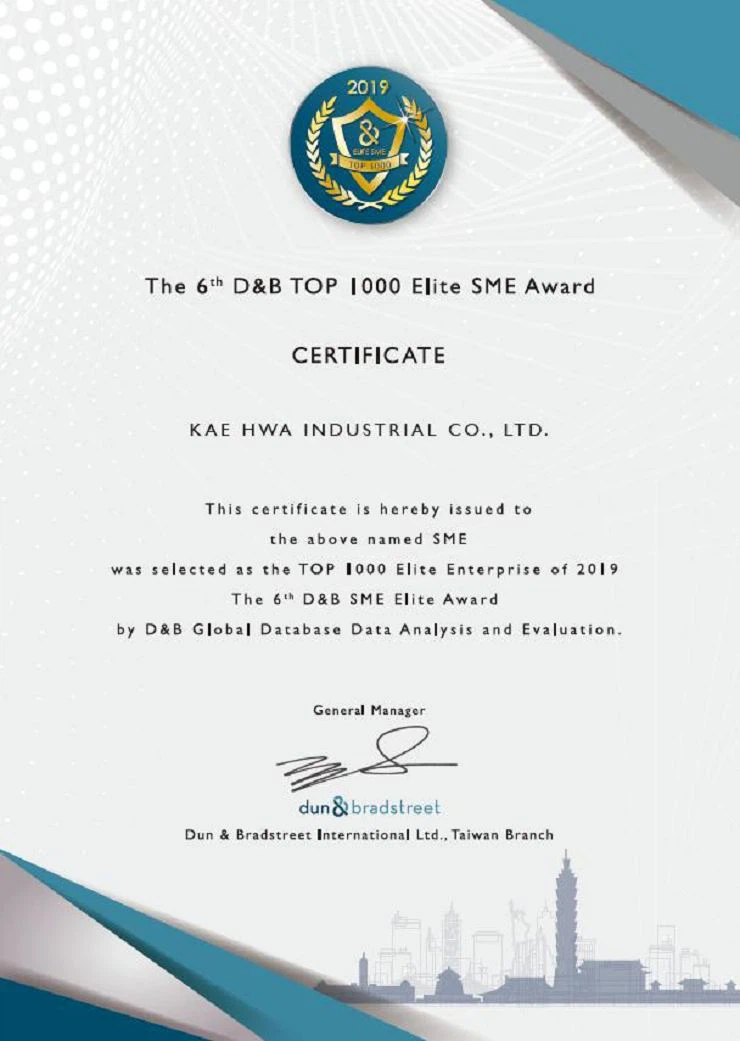
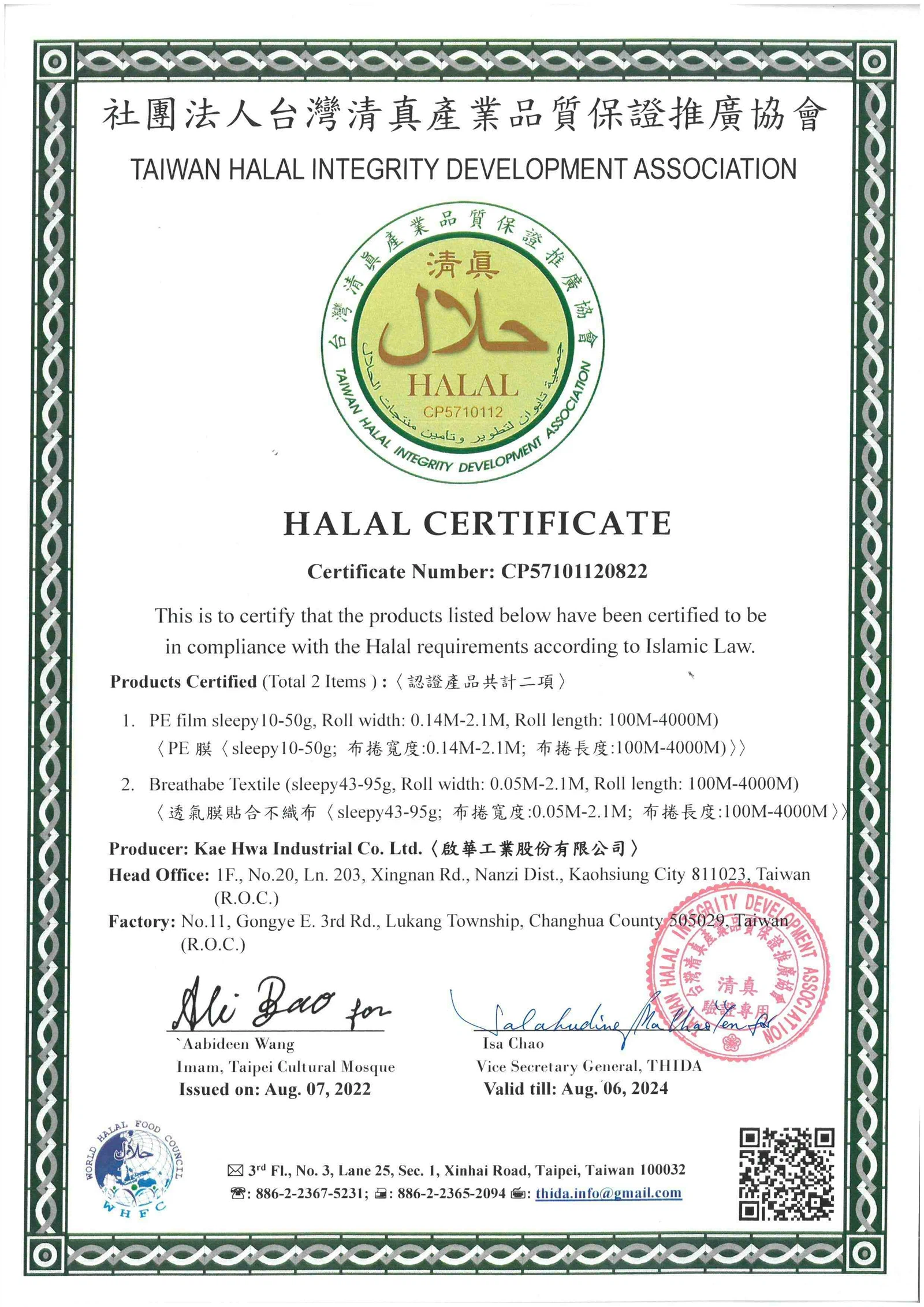
Our Certificate
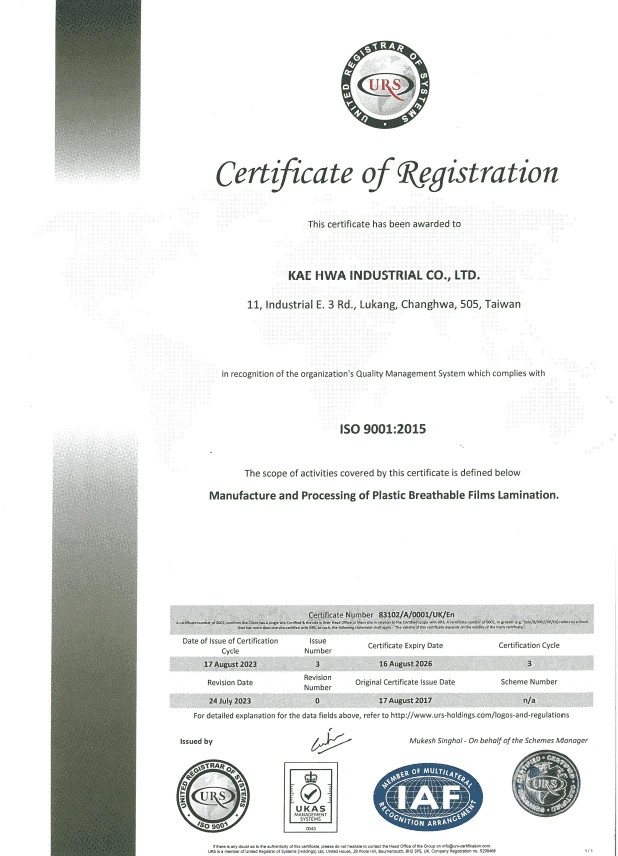
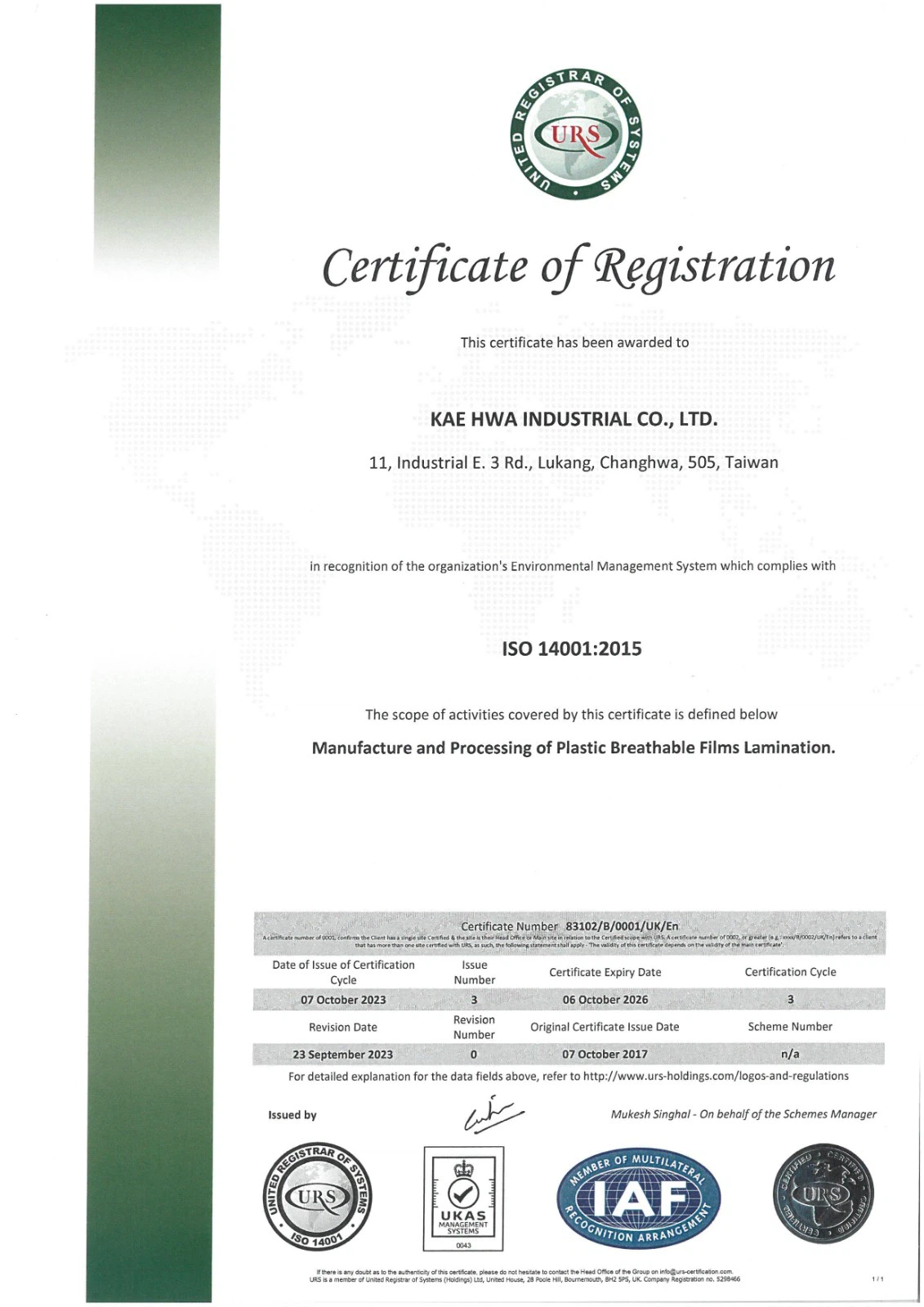
FAQ
Q: What is a microporous film?
Q: What is microporous film laminate?
Q: What is microporous?
Q: What are examples of microporous materials?
Microporous materials (Fig. 8.3) can be defined as solids, containing interconnected pores of less than 2 nm in size. Thus, they possess large surface areas, typically 300–2000 m2/g as measured by gas adsorption [13]. Example include zeolites, AlPO4, metal organic frameworks (MOFs), clays, carbon, etc.
Q: Is microporous breathable?
Q: What is the difference between microporous and nanoporous?
Q: Is graphene microporous?
Q: What is polyethylene film used for?
Q: How do you make polyethylene film?
Q: What is the difference between LDPE and PE film?
Q: What is poly film?
Q: Is polyethylene film plastic?
Q: Is polyethylene film safe to use?
Q: What is the difference between polypropylene and polyethylene film?
Q: What is polyethylene film made of?
Q: Is polyethylene film waterproof?
Q: What is the difference between polyethylene and polyurethane film?
Q: How is polythene prepared?
Q: Is polyethylene a good vapor barrier?
Q: What is the problem with polyethylene plastic?
Q: Which is safer polypropylene or polyethylene?
Q: Is polyethylene better than plastic?
Q: Is polyethylene vapour permeable?