
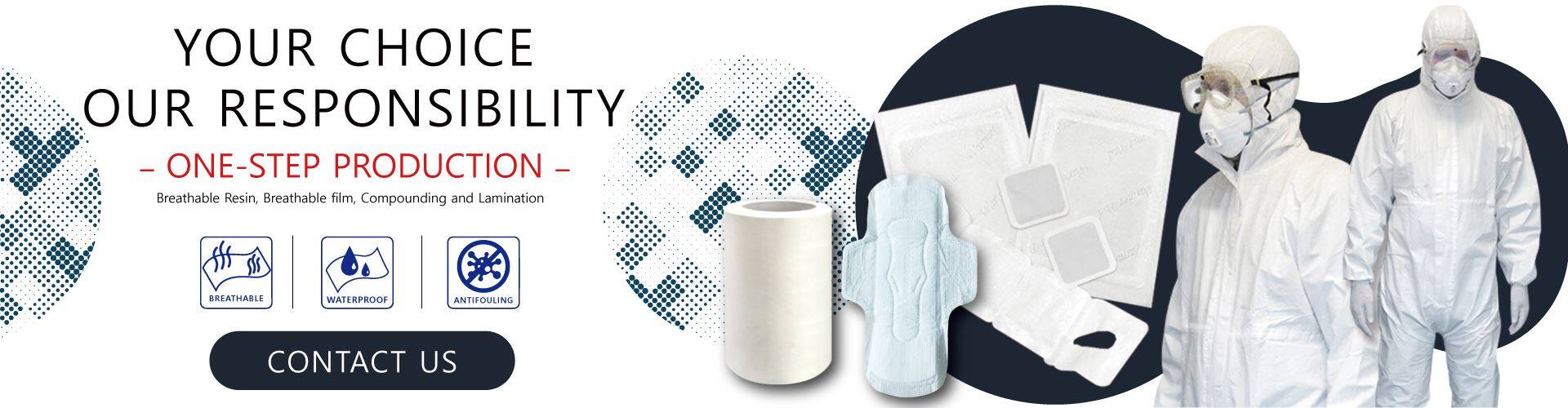
Isolation Gown
For giving our customer the great protection, our gown level 1 has proved the AAMI level 1 certificate.
Why Choose Us
Competitive Price
We have a professional purchasing team and costing team, trying to reduce costs and profits, and provide you with a good price.
Production Equipment
We have devoted amount of resource for maintain and keep our equipment in the best state for our customers.
Professional Team
Our self-developed additives based on our professional chemical knowledge, such as wet indicator ink, coating glue, antistatic additives, etc., can provide professional advice to customers facing chemical problems.
Product tTracking System
With a complete traceability system, once the batch number is obtained, the entire production process and raw materials can be traced
What is Isolation Gown
As personal protective equipment, Isolation gowns are designed to protect the wearer from the spread of infection or illness. The gowns serve two purposes: to protect healthcare workers from potential contaminants and to prevent healthcare workers from transferring microorganisms that could harm vulnerable patients. A isolation gown is a standard form of protective clothing worn by medical professionals, patients, and visitors.Isolation gowns are examples of personal protective equipment used in health care settings. They are used to protect the wearer from the spread of infection or illness if the wearer comes in contact with potentially infectious liquid and solid material.
-
![Medical Protective Gown]()
Medical Protective Gown
-
![AAMI L1 Isolation Gown]()
AAMI L1 Isolation Gown
-
![Medical Isolation Gown]()
Medical Isolation Gown
-
![Kae Hwa Isolation Gown]()
Kae Hwa Isolation Gown
-
![Medical Protective Gown]()
Medical Protective Gown
-
![Disposable Protective Medical Gowns]()
Disposable Protective Medical Gowns
-
![Nonwoven Disposable Isolation Gowns]()
Nonwoven Disposable Isolation Gowns
-
![Disposable Polyethylene Gowns]()
Disposable Polyethylene Gowns
-
![Gown Isolation]()
Gown Isolation
-
![Disposable Cover Gowns]()
Disposable Cover Gowns
-
![Disposable Gowns With Sleeves]()
Disposable Gowns With Sleeves
-
![Aami Level 1 Isolation Gowns]()
Aami Level 1 Isolation Gowns


Benefits of Isolation Gown
Infection Control
Isolation gowns act as a barrier to prevent the spread of infectious agents, including bacteria and viruses, from one person or area to another. They help control the transmission of infections in healthcare settings, reducing the risk of cross-contamination between healthcare workers, patients, and visitors.
Protection from Contaminants
Isolation gowns protect individuals from coming into contact with potentially hazardous materials, such as bodily fluids, blood, chemicals, and biological contaminants. They provide a shield against splashes, spills, and aerosols, reducing the risk of exposure to pathogens and harmful substances.
Enhanced Safety
In laboratory and industrial environments, isolation gowns contribute to overall workplace safety by minimizing the risk of chemical spills and contact with hazardous materials. They help prevent accidents and injuries, ensuring the safety of workers.
Maintaining Sterility
In sterile healthcare settings, such as operating rooms and cleanrooms, isolation gowns help maintain a sterile environment during procedures. Sterile surgical gowns are designed to meet strict sterility requirements and ensure that contaminants do not enter the
surgical field.
Cross-Contamination Prevention
Disposable isolation gowns are designed for single-use and are discarded after each use. This practice prevents cross-contamination, as contaminants are not carried from one area or situation to another.
What are the Applications of Isolation Gown
Medical field
The medical field is one of the most widely used areas for isolation clothing. During the outbreak of infectious diseases,Medical staff need to come into contact with patient fluids or secretions to avoid cross infection Wear isolation clothing for operation. In addition, it is also necessary to wear in environments such as operating rooms and ICUs Wear isolation clothing to ensure the cleanliness of the operating roomand ICU internal environment.
Biological laboratory
Microbial operations such as bacteria and viruses are often involved in biological laboratories. These microorganisms Objects pose significant harm to the human body, therefore experimental personnel must wear isolation clothing for operation to avoidFree from infection.
Industrial sector
In industries such as chemical and pharmaceutical industries, personnel need to come into contact with hazardous chemicals. These chemicals have an impact on There is significant harm to the human body, therefore it is necessary to wear isolation clothing for operation to avoid contact.
Food processing
In the field of food processing, isolation clothing is also widely used. For example, in the meat processing process In order to avoid cross contamination, operators need to wear isolation clothing for operation.
Environmental cleanliness
In the field of environmental cleaning, isolation clothing also has a wide range of applications. For example, after a nuclear power plant accident During the cleaning process, operators need to wear isolation suits to avoid exposure to radioactivity Material.
Types of Isolation Gown
For use in minimal-risk scenarios or regular hospital instances, such as basic care. Hospitals often stock these items for visitors. Although these gowns can protect wearers somewhat from fluids, they aren't suitable for procedures such as drawing blood or in the ICU facility.
For use in low-risk medical scenarios such as drawing blood or to wear in pathology labs and ICUs that don't require sterile gowns. These items are stringently tested for fluid resistance. Compared to level 1, they are much more effective in protecting against fluid penetration that could take place due to splatter or soaking.
For use in moderate-risk medical situations. For example, drawing blood from arteries, inserting intravenous (IV) lines, or in the Emergency Room (ER) for trauma incidences. Like level 2 gowns, they are comprehensively tested to ensure efficacy against the transmission of fluids and infection from splatter and soaking.
For use in high-risk medical circumstances. These are suitable for use in an operating room for surgery where medical professionals are using sterile equipment and devices. They are created using specially tested fabrics for disease control and can stop fluid and virus penetration for up to one hour.During testing, level 4 gowns are exposed to simulated virus-contaminated blood. Scenarios that they're used in include fluid intense procedures, surgery, and when pathogen resistance is required for potential infectious diseases.
The Material of Isolation Gowns

PP
PP is a lightweight and breathable material that allows the wearer to stay comfortable. It is also resistant to tears and rips.

PP+PE
PP+PE is a strong and durable material that can provide better protection against contaminants. It is also resistant to tears and rips.

SMS
SMS is a lightweight and breathable material that allows the wearer to stay comfortable.It is also resistant to tears and rips.It has good fluid intense procedures as the operating room gowns.
The Colors of Isolation Gown
Isolation gowns are available in a variety of colors, usually blue, yellow, or other colors. Of course, there is something to be said for these colors. In laboratories or hospitals, the color of isolation gowns is usually blue. In obstetrics and gynecology or pediatrics, the color of the isolation gown is pink, because pink is more friendly and reassuring to patients or children. Almost all mandatory protective clothing worn in medical facilities is usually yellow because it is the color that attracts the most attention, is hard to miss even from a distance, and indicates possible contamination in sensitive hospital areas.
How to Choose Isolation Gown
The Purpose of the PPE
Determine what the main use of the gown will be, who will wear it, and what they will be doing while wearing it. Some gowns come in a one-size-fits-all or universal size. However, they are also available in different sizes. For maximum protection, gowns should be sized to the wearer if possible.
Materials
Different types of gowns are made from various materials. For example, disposable isolation gowns are usually made from polyethylene or polypropylene, while reusable isolation gowns are generally made from synthetic materials or cotton. Depending on the supply of medical equipment in medical facilities and their budget and needs, different options should be made available for staff.
Risk Level
The risk level of the scenario should play a massive role in choosing an isolation gown. If you need the gown for a minimal risk procedure such as basic care, a level 1 gown will suffice. However, if you're purchasing equipment for intensive surgeries, you'll need a level 4 gown.
Isolation Gown Features
Ease of Use
Isolation gowns are easy to put on and remove, minimizing the risk of contamination during gowning and degowning procedures. They often feature convenient closures, such as ties or snaps, to secure the gown in place.
Versatility
Isolation gowns are versatile and can be used in various settings, including hospitals, clinics, laboratories, cleanrooms, and industrial facilities. They are suitable for a wide range of applications, from routine patient care to hazardous material handling.
Hygiene and Convenience
Disposable isolation gowns are hygienic and convenient because they eliminate the need for laundering or sterilization after each use. This reduces the risk of contamination from reused garments and ensures that individuals always have access to clean and effective protective clothing.
Regulatory Compliance
Isolation gowns are often designed to meet regulatory standards and guidelines in healthcare and other industries. Compliance with these standards ensures that gowns provide the necessary level of protection and meet safety and infection control requirements..
Peace of Mind
Using isolation gowns provides peace of mind to healthcare workers, patients, and individuals in hazardous environments, knowing that they have an effective barrier against potential contamination and hazards.
Process of Isolation Gown
- Before manufacturing isolation gowns, appropriate materials must be chosen, typically ones that are waterproof and possess suitable breathability. Common materials include polyethylene, polypropylene, among others.
- The selected materials must undergo pre-processing such as cleaning and disinfection to ensure they meet hygiene standards and pose no harm to users.
- Using templates or automated cutting machines, the chosen materials are cut into the appropriate shapes and sizes based on design specifications.
- Precise cutting is crucial to ensure that the isolation gowns meet ergonomic and comfort requirements.
- The cut materials are sewn together to create the basic structure of the isolation gown. This includes stitching various parts together, adding elastic bands or zippers, among other components.
- Sewing requires a high level of precision and attention to detail to ensure the durability and integrity of the isolation gowns.
- Upon completion of manufacturing, the isolation gowns undergo inspection to ensure they meet quality standards and safety requirements. Inspection may include measurements of dimensions, seam strength testing, among others.
- Isolation gowns that pass inspection are packaged, typically through automated or manual packaging processes. Packaging requires attention to protect the gowns from contamination and damage.
Storage of Isolation Gown
Keep in a clean, dust-free area
Many types of PPE will be shipped in a carton, with each uniform individually packaged. It is required when using sterile protective clothing in a controlled environment. Other PPE shipments, on the other hand, will be determined by the manufacturer or the type of protective product. Consider the general-purpo Here is some advice on proper storage for disposable isolation gowns like coveralls and lab coats, disposable boot covers, and disposable hoods. se assortment of coveralls, bouffants, beard restraints, and shoe covers used to protect workers from dirt and grime in the food service and packaging industries. These items are shipped in bulk, with no individual wrapping. Contact sellers for bulk disposable gowns for distribution.
Avoid potential chemical exposure
Both raw chemicals and end-product solutions can cause damage to disposable protective uniforms and coveralls. PPE outfits are made from various engineered materials that must adhere to design specifications to be considered safe for individual use. Even the fumes from some chemicals can hasten the deterioration of the fibers. Disposable isolation gowns contaminated by toxic fumes may not be visible to the naked eye. Keep in mind the many unnoticed sources of chemicals, such as batteries, cigarette smoke, and vehicle exhaust.
Away from direct sunlight
UV protection is a crucial part of your employee's protective clothing storage. The direct exposure of protective clothing to sunlight and other UV radiation sources. Again, engineered textiles should be exposed to as little sunlight as possible, as this causes fading and accelerates the deterioration of the fibers over time. To avoid exposing PPE to direct sunlight, store it in a windowless area in corrugated boxes to extend its shelf life. However, it is to use a storage area with airflow or ventilation. Fiber PPE garments should not be in airtight containers. You can buy bulk disposable gowns for you or your community.
Store in a temperature-controlled area
Extremes of heat and cold should avoid in the storage area for PPE garments. There is a wide temperature range in which PPE gets stored. A temperature-controlled region is advised because these areas control humidity levels as well. High moisture content air can damage the boxes where uniforms are stored, and eventually, the protective garments will suffer.
Quality Standards of Isolation Gown
Sprovide low-level protection and are typically made of lightweight, breathable materials. They are suitable for use in low risk procedures, such as administering injections or taking blood samples.A level 1 isolation gown is designed to be used for basic care, such as by those working in hospice, care homes, or low risk wards.
Provide moderate-level protection and are typically made of a blend of polypropylene and polyethylene. They are suitable for use in procedures that have a moderate risk of contamination, such as inserting a catheter or performing a biopsy.
Provides high-level protection and are typically made of a fluid-resistant, breathable material. They are suitable for use in procedures that have a high risk of contamination, such as performing open-heart surgery or delivering a baby by cesarean section.
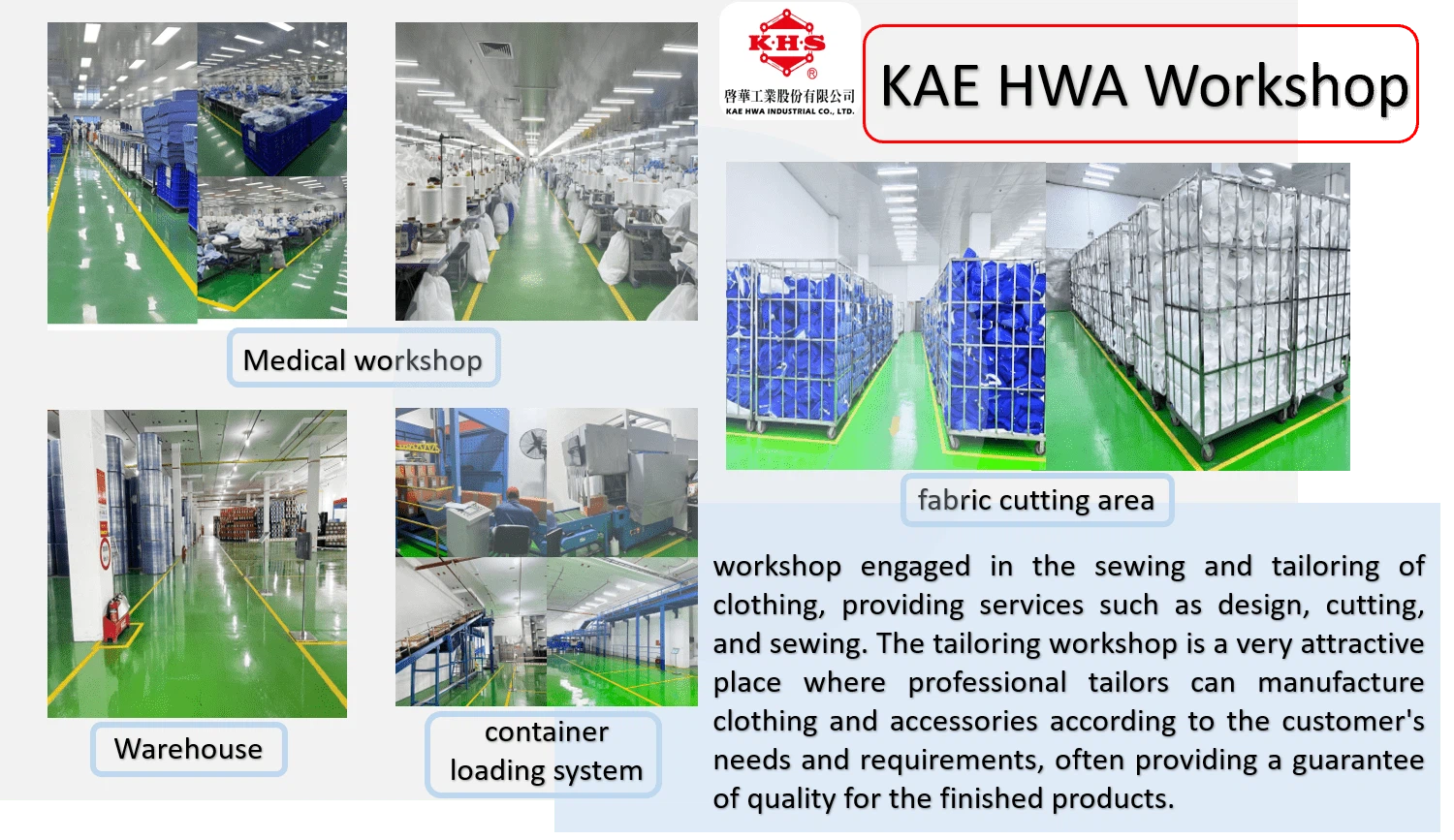
Our Factory
Since 1998, Kae Hwa Industries has concentrated and dedicated research and developing the Breathable Resin, Breathable film, Compounding and Lamination for diversity application. With the strong chemical background and understand to the market trend, our company keep investing on new facility and upgrade existing equipment to meet market demand.Today, the significant products has developed for different category by Kae Hwa Taiwan, Malaysia and China facility, such as backsheet for Diapers and Incontinent, Apron, Industrial Coveralls, Outdoor cover, Agriculture cover, Convenient Raincoat, the cover for desiccant, warm pack and etc.

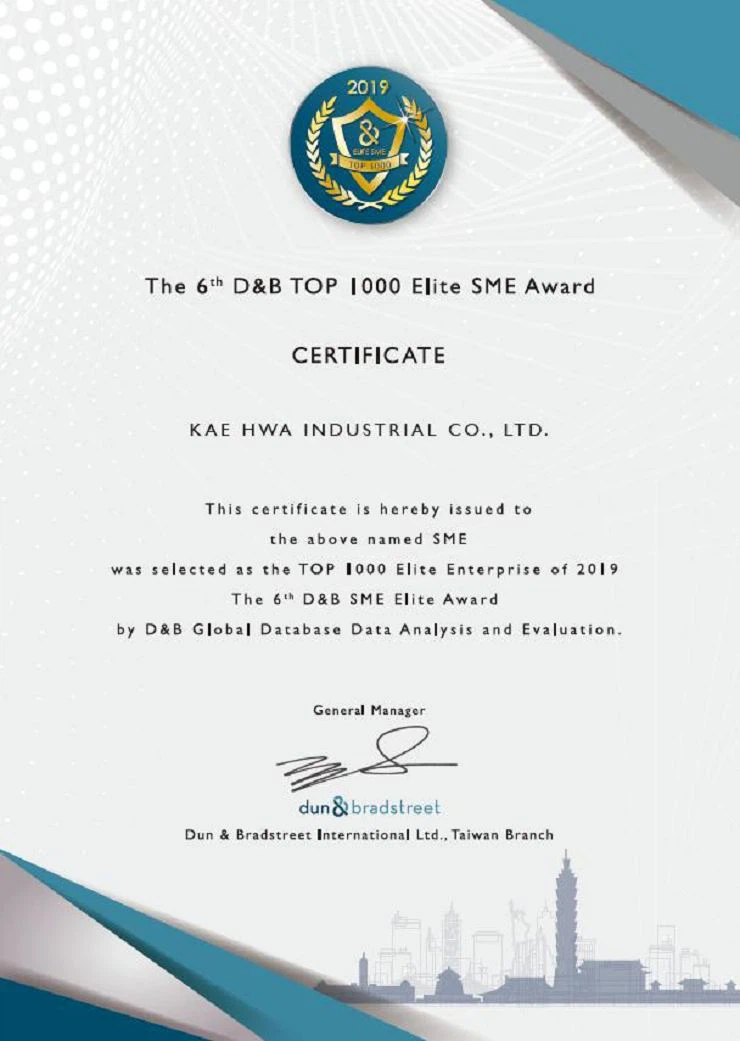
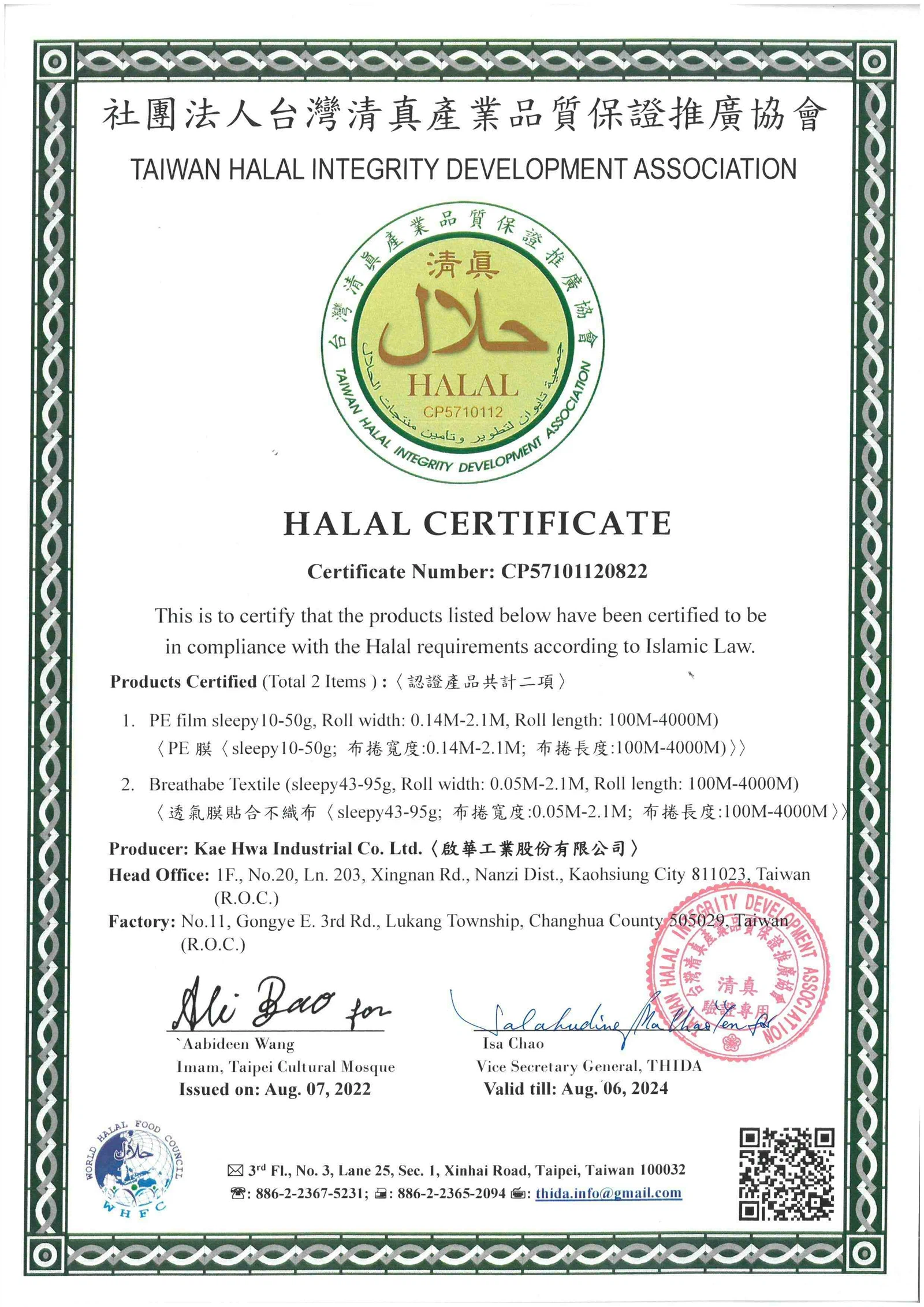
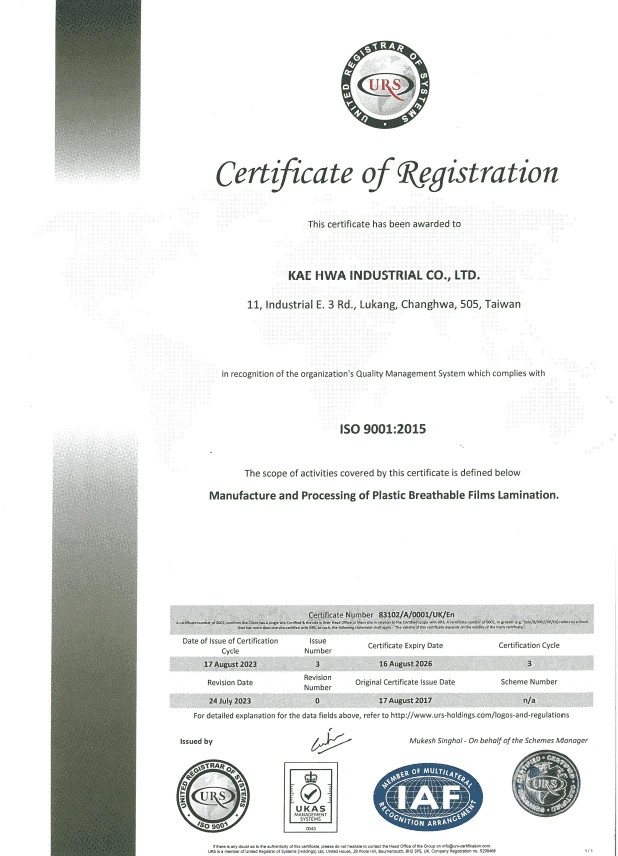
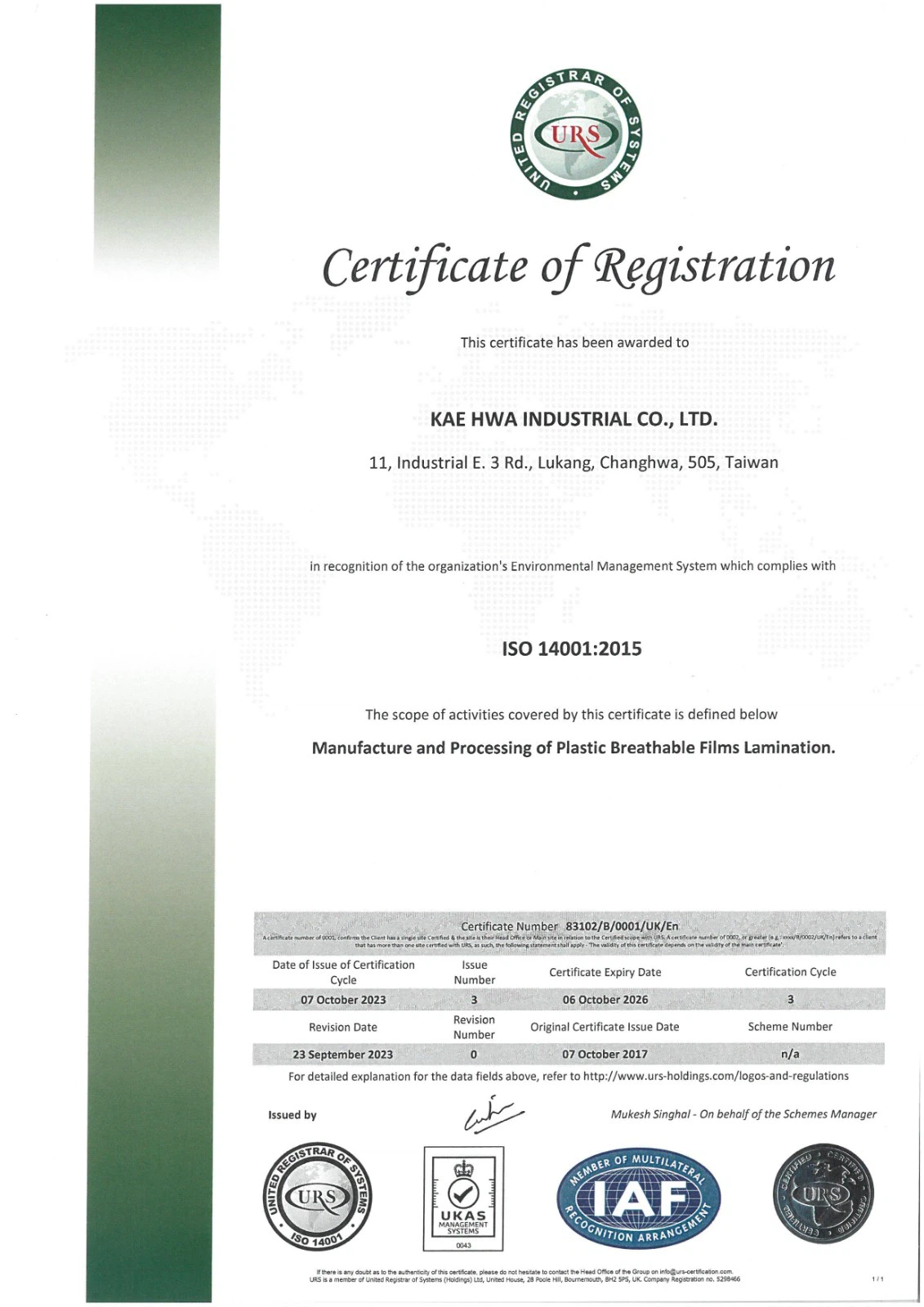
Our Certificate
FAQ
Q: Can you reuse isolation gowns?
Q: How should an isolation gown fit?
Q: What to do if isolation gown is too small?
Q: What are some situations where you should wear a protective gown?
Q: What is the shelf life of isolation gowns?
Q: Why are isolation gowns important?
Q: Why are isolation gowns yellow?
Q: What is the difference between a cover gown and an isolation gown?
Q: When should you not wear protective clothing?
Q: Who wears isolation gowns?
Q: What class is an isolation gown?
Q: How many times can a gown be worn before it needs to be discarded?
Q: Which PPE should be removed last?
Q: Do you need a gown for droplet?
Q: What is a Level 3 isolation gown?
Q: How should the gown be folded after removed?
Q: How should an isolation gown fit?
Q: Do isolation gowns really work?
Q: What are yellow isolation gowns made of?
Q: Are isolation gowns fluid resistant?